Protein Timing Is Mostly a Myth (Here's What Actually Matters)
I used to sprint to my gym bag for a protein shake within 30 minutes of my last set. Turns out I was stressing about the wrong thing entirely.
The 30-Minute Window Is Mostly Made Up
I used to rush to mix my protein shake the second I finished training. Genuinely stressed if I didn't get it down within 30 minutes. Like my gains would evaporate.
Turns out, that "anabolic window" everyone talks about? The research doesn't really support it.
What the Science Says
Schoenfeld, Aragon, and Krieger did a big review in 2013 looking at protein timing and muscle growth. Their finding was simple: total daily protein intake matters way more than when you eat it.
When they compared groups eating the same total protein, the timing effect basically disappeared.
What Actually Matters
1. How much you eat total
Aim for 1.6-2.2g per kg of bodyweight per day. This is the number that moves the needle. Hit this, and you've covered 90% of the protein equation.
2. Spreading it across meals
Eating 3-5 meals with at least 20-40g protein each is slightly better than cramming it all into one or two meals. But the difference is small.
3. Eating before you train
If anything matters about timing, it's this. Training on a completely empty stomach can reduce muscle protein synthesis. A meal with protein and carbs 1-3 hours before training makes a bigger difference than what you eat after.
Keep It Simple
That's it. The fitness industry makes money by making simple things complicated. Protein timing is one of those things. Don't overthink it.
Ready to Stop Guessing?
Two ways to start your transformation today.
Keep Reading
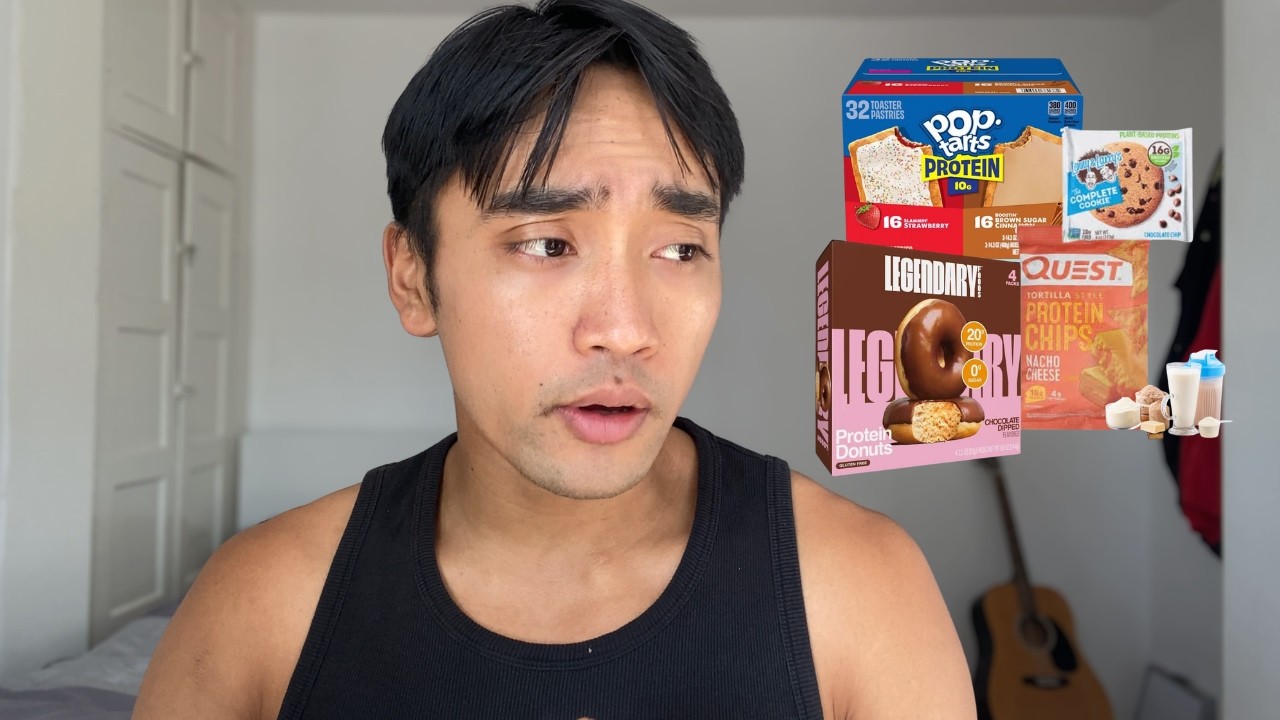
The High Protein Lie Is BS And Nobody's Talking About It
Everyone says eat more protein. But the amount some people recommend is ridiculous and unnecessary. Here's what the research actually supports.

Why You Don't Need To Be In A Calorie Deficit Every Single Day
The weekly average matters more than the daily number. This one mindset shift makes fat loss feel way more sustainable.

7 Things That Keep Me Full All Day
Hunger is the biggest reason diets fail. Here are the 7 strategies I use to stay full while eating in a deficit. All practical, no gimmicks.