Lateral Raise to Failure: The ONE Technique for Massive Delts
My shoulders blew up when I started doing one thing differently with lateral raises. It's brutal. But it works.
Watch this video
The Game Changer
I spent years doing lateral raises the normal way. 3 sets of 12-15, moderate weight, controlled reps. My shoulders grew. But slowly.
Then I started taking every set to absolute failure. Not "this is getting hard" failure. Actual failure. Can't lift the weight one more centimetre.
My shoulders blew up within weeks.
Why It Works
The lateral deltoid is a small muscle that responds incredibly well to high volume and metabolic stress. Taking sets to true failure creates both. The burn you feel is metabolic stress, and that's a powerful growth trigger for smaller muscles.
The Technique
Pick a weight you can do for 15 clean reps. Now do as many as you can with perfect form until you physically can't lift it anymore. That's your first set.
Rest 45-60 seconds. Go again. You'll get fewer reps. That's fine.
Do 3-4 sets like this. The total reps will look something like: 18, 14, 11, 9. All to failure.
Form Tips
When to Do Them
End of your session, 2-3 times per week. They're a finisher, not a main lift. Put them after your heavy pressing work.
The Result
Within 4-6 weeks, your shoulders will look noticeably wider. Lateral delts are visible from every angle, in every shirt. They're the muscle that makes the biggest visual difference in your overall frame.
Small muscle. Massive impact.
Ready to Stop Guessing?
Two ways to start your transformation today.
Keep Reading
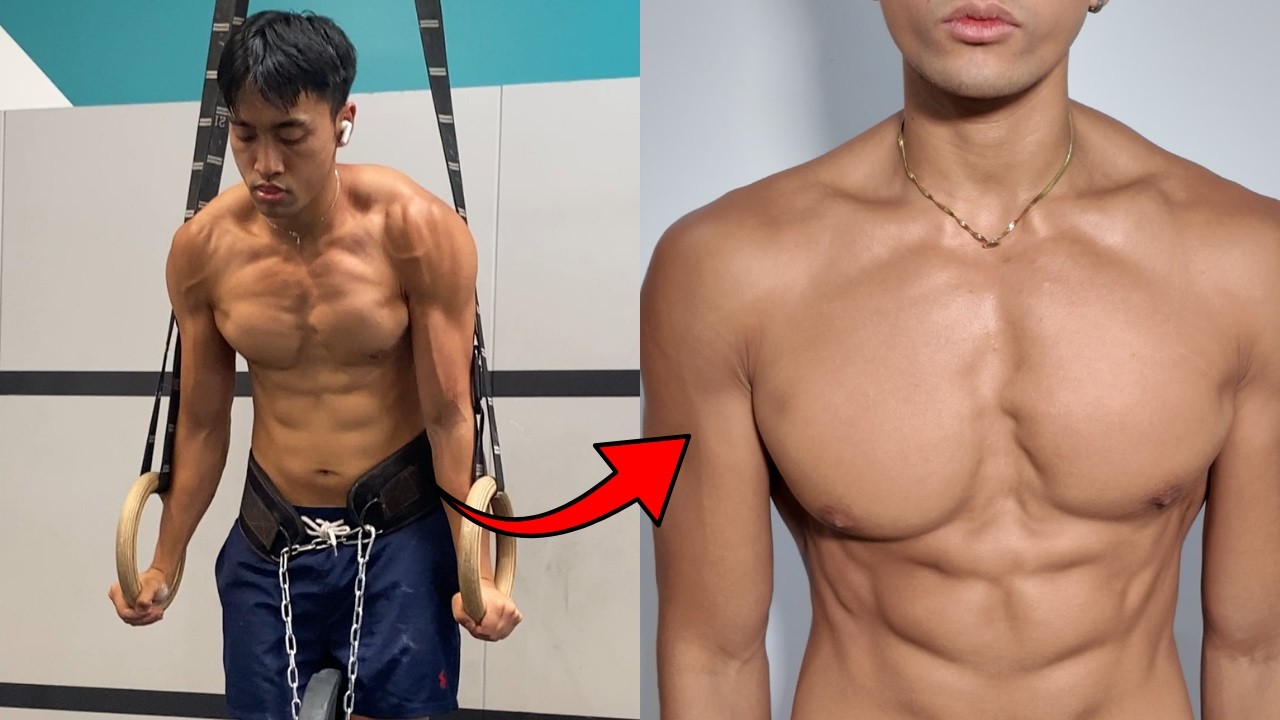
Why Weighted Dips Are The Only Chest Exercise You Need
I ditched bench press as my main chest movement and switched to weighted dips. My chest grew faster than it ever did on the bench. Here's why.

The Secret to a Stable Handstand Kick-Up
I spent months kicking up and falling over. Then I changed one thing about how I entered the handstand and everything clicked.

Most Guys in the Gym Train Like Teenage Girls
Scrolling between sets. Quarter-rep squats. 45 minutes of bicep curls. If this sounds familiar, your training needs a reality check.